
A Massive Win for the Master Controller: The FDA Just Gave the Green Light to a Brainy Weight-Loss Hero!
Imagine for a second that your brain has its own tiny, high-tech command center. This little hub, tucked deep inside your noggin, is called the hypothalamus. It’s the ultimate master of ceremonies for your body, managing everything from your internal thermostat to your sleep schedule and—most importantly—your appetite. It’s the "Smart Home" system of your biology. But what happens when that control panel gets a bit of a glitch? For folks dealing with acquired hypothalamic obesity, it’s like the "I’m hungry" button gets stuck in the "on" position, and the "I’m full" signal goes completely MIA.
For the longest time, this specific type of weight struggle was a bit of a medical mystery that was notoriously hard to solve. It wasn’t about willpower or just "eating your greens." It was a physical hardware issue! But hold onto your hats, because there is some seriously sparkly news on the horizon. Rhythm Pharmaceuticals has officially stepped into the winner's circle, securing the very first FDA approval for a treatment specifically designed to help people living with acquired hypothalamic obesity. It’s a total game-changer, and honestly, it’s worth a little happy dance!
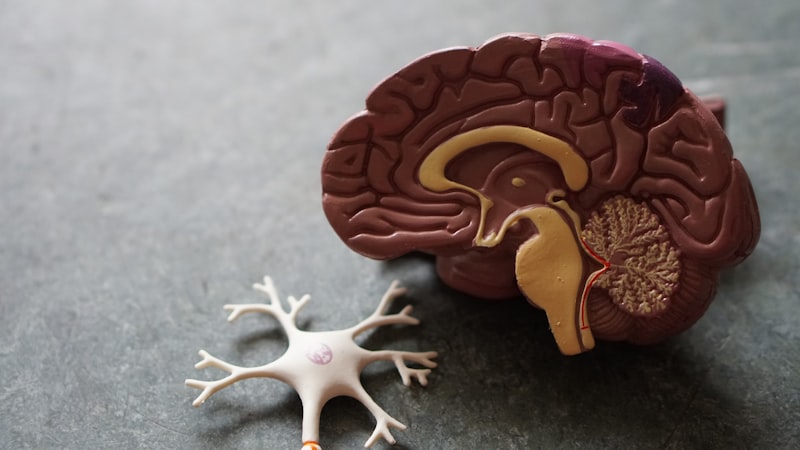
So, how did we get here? To understand the victory, we have to look at the villain of the story. Acquired hypothalamic obesity usually shows up after the hypothalamus takes a bit of a hit—maybe from a tumor, or perhaps as an unintended side effect of surgery or radiation meant to fix something else. When this command center is damaged, the body loses its ability to regulate energy. It’s like a car where the fuel gauge is broken and the engine thinks it’s always running on empty, even when the tank is full. This leads to rapid weight gain and a hunger that feels impossible to satisfy.
Enter our hero: a specialized medication that acts like a skilled technician for that broken control panel. Instead of trying to bypass the problem, this treatment goes straight to the source. It targets something called the MC4R pathway. Think of the MC4R pathway as a critical bridge in the brain. When it’s working, it tells the body to burn energy and stop looking for snacks. When it’s broken, the bridge is out. This new treatment acts like a temporary patch that restores the connection, allowing those "hey, we’re good on food!" signals to finally cross over and do their job.
The road to FDA approval wasn't just a walk in the park; it was backed by some pretty impressive science. Clinical trials showed that patients using this treatment didn’t just lose a little bit of weight—they saw significant, life-altering changes. We’re talking about a noticeable drop in body mass index (BMI) and, perhaps more importantly, a massive reduction in that constant, nagging hunger known as hyperphagia. Imagine finally being able to finish a meal and actually feel content. That’s the kind of magic we’re talking about here!
This approval is a major milestone for the longevity and wellness community because it proves that we are getting smarter about how we treat obesity. We are moving away from the "one size fits all" approach and moving toward precision medicine. By understanding the specific pathways in the brain that govern our weight, scientists can create "key-and-lock" solutions that fix the actual underlying issue rather than just treating the symptoms. It’s a win for science, a win for Rhythm, and a massive win for patients who have felt unheard for years.
But the fun doesn’t stop there! This approval opens the door for even more research into how we can fine-tune our internal chemistry to live longer, healthier lives. If we can fix a "broken" hypothalamus, what else can we optimize? The future of metabolic health is looking brighter and leaner than ever before. It’s a reminder that even when the brain’s "Smart Home" system gets a little wonky, there’s usually a brilliant team of scientists working on a software update to get everything back in tip-top shape.
As we celebrate this medical milestone, let’s take a moment to appreciate the sheer coolness of the human body and the persistence of those working to understand it. Here’s to fewer "hungry" signals and more "happy" ones! With this new tool in the medical toolkit, the journey toward better health just got a whole lot more exciting. So, cheers to the scientists, cheers to the FDA for the green light, and most importantly, cheers to the patients who now have a brand-new reason to smile!


No comments:
Post a Comment