Wednesday, April 8, 2026

Skinny Shots and Botox Pots: The Ultimate Beauty Business Glow Up!

Welcome to the era of the Shrinking Society! If you have looked around lately, you might have noticed that everyone and their neighbor seems to be sipping on a magic metaphorical tea—or rather, getting a little help from the latest wave of weight-loss wonders. It is the talk of every brunch, the secret behind many a sudden transformation, and the hottest topic in the world of wellness. But as the pounds vanish faster than a magician’s rabbit, a brand-new mystery has emerged: what happens to the skin that used to hold all that extra joy? Enter the aesthetic wizards, who have realized that while the scales are going down, the demand for a bit of sparkle and plumping is going way, way up!

You see, when the body decides to drop weight at warp speed, it sometimes forgets to tell the skin to keep up. This has led to a phenomenon that the internet has playfully dubbed the deflated look. Imagine a balloon that was full and bright, but then someone let just a little bit of air out. The balloon is still great, but it might have a few more wrinkles than it did before. This is exactly where the beauty industry is stepping in with a cape and a syringe, ready to save the day. They have discovered that their next big growth engine is not just about changing faces, but about being the ultimate partner to the weight-loss journey.

A sparkling aesthetic treatment room with glowing skin products and a modern vibe

This is where the magic of fillers and skin-tightening comes into play. Think of it like tailoring a high-end suit. You have done the hard work of losing the weight, and now your birthday suit is a few sizes too big. You cannot just throw it in the dryer on high heat and hope for the best! You need the experts to nip, tuck, and add a little volume back into those hollowed-out cheeks or sagging jawlines. The big players in the beauty world are leaning into this trend like a supermodel against a wind machine, realizing that the journey to a new you is a multi-step process that involves both biology and artistry.

It is a match made in heaven, really. On one hand, you have these incredible medications that help people reach their health goals and feel lighter on their feet. On the other hand, you have a toolkit full of glow-inducing treatments, dermal fillers, and body-sculpting gadgets that act as the ultimate finishing touch. It is like painting a masterpiece; the medication prepares the canvas, making it smooth and ready, and the aesthetic treatments provide the vibrant colors, the fine details, and the frame that makes everything pop.

We are seeing a massive shift in how people view self-care. It is no longer just about a quick spa day or a fancy moisturizer you bought because the packaging was pretty. It has become a sophisticated, multi-layered strategy that involves chemistry, physics, and a little bit of sparkle. The industry is buzzing with excitement because they have found a whole new audience: millions of people who are successfully shedding weight but want to ensure they keep their youthful glow and structural integrity. It is not about vanity; it is about matching the outside to the vibrant, energetic person on the inside.

Let’s talk about the body side of things too, because it is not just about the face. When the weight drops, the muscles that were hiding underneath might need a little encouragement to make their grand debut. This has led to a surge in high-tech treatments that tone and strengthen muscles using fancy electromagnetic energy. It is basically like doing a thousand crunches while lying down and listening to your favorite podcast. Who wouldn’t want to outsource their gym session to a machine while catching up on celebrity gossip? It is the ultimate life hack for the modern age.

The beauty of this trend is that it is creating a more holistic approach to transformation. People are becoming much more educated about how their bodies work, from their metabolic health to the collagen production in their skin. It is a full-body renovation project, and the contractors are armed with cooling lasers and hydrating serums. The goal is no longer just to be thin; it is to be snatched, glowing, and radiant from head to toe.

Looking ahead, the synergy between health-focused medications and aesthetic procedures is only going to get stronger. We might soon see the rise of beauty bundles where your health journey is mapped out from the very first dose to the final filler touch-up. It is an exciting time to be alive if you are a fan of looking and feeling your absolute best. The industry is pivoting from just fixing problems to being a constant companion in a person’s total wellness evolution.

So, if you see someone looking suspiciously radiant and toned after a big life change, don't just ask about their new diet. They might just be the lucky beneficiaries of this new golden age of aesthetics. It is a brave new world where we can sculpt our bodies and faces with more precision than ever before, turning a weight-loss milestone into a total glow-up. The rise of the slim-down shots isn't a challenge for the beauty world—it is the ultimate booster shot, proving that as we change how we manage our health, our desire to sparkle remains as strong as ever!

Tuesday, April 7, 2026

Your Internal Clock Is Riding An Aging Roller Coaster All Day Long!

Imagine if your body was a giant, invisible mood ring, but instead of showing if you're grumpy or happy, it showed how old you were in that exact moment. You might wake up feeling like a fresh-faced toddler, full of potential and bouncy cells, but by the time you’ve dealt with a broken toaster and a mountain of emails, your biological clock has decided you’re actually a hundred-year-old wizard who needs a long nap in a cave. This isn’t science fiction; it’s the wild, daily rollercoaster of our internal clocks. While your birthday only happens once a year, your cells are basically having a mid-life crisis every single Tuesday afternoon.

Our bodies aren't static statues; they are more like bubbling cauldrons of chemical soup that changes flavor every hour. Scientists have discovered that the clocks inside our cells—the ones that measure things like stress, inflammation, and energy use—don't just tick forward in a straight line. Instead, they bounce around like a toddler on a sugar high. One minute you’re biologically younger than your driver's license says, and a few hours later, your cells are acting like they’ve seen several centuries of history. It is a form of biological bungee jumping where we stretch toward old age and then snap back to youth while we sleep.

Think of your biological age as a cellular backpack. When you wake up after a glorious night of sleep, that backpack is empty. Your cells have spent the night cleaning up the metaphorical glitter from the previous day's party. They’ve repaired the little tears, flushed out the toxins, and reset the dial. In this state, you are at your peak youthfulness. You’re fast, you’re efficient, and your DNA is tucked in neatly. If a scientist took your biological temperature at 7:00 AM, they might find you’re actually a few years younger than you were when you went to bed. You are essentially a brand-new version of yourself every single morning.

But then, life happens. You drink that first cup of coffee, which kickstarts your metabolism but also sends a tiny "get moving" shock through your system. You rush to work, deal with a colleague who eats loud snacks, and navigate the emotional gauntlet of social media. Each of these tiny stresses adds a little pebble to your cellular backpack. By lunchtime, your internal clock is starting to feel the weight. The markers of age—things like how your genes are expressed and how much "rust" is on your cellular machinery—start to creep up. You are chronologically the same age, but your internal chemistry is starting to look a bit more "vintage."

By the time the sun starts to set, you’ve hit the peak of your daily aging cycle. This doesn't mean you’ve actually grown gray hair in eight hours, but your internal chemistry is mimicking the environment of an older body. Your cells are tired, your inflammatory markers might be a bit higher, and your biological readout says you’ve been through the ringer. It’s a completely normal, daily cycle of wear and tear. You aren't actually losing years of your life; you’re just experiencing the ebb and flow of being a living, breathing creature in a fast-paced world. Your body is just reflecting the hard work it did to get you through the day.

The real magic happens when we hit the hay. Sleep isn't just for dreaming about flying or being back in high school without pants; it’s a high-tech car wash for your biology. While you’re snoring away, your body is frantically working to reverse the aging that happened during the day. It’s scrubbing those pebbles out of your backpack and resetting the clock. This nightly reset is crucial. It’s the reason why a bad night’s sleep makes you look and feel ten years older the next day—you simply didn't finish your nightly rejuvenation cycle! Your cells didn't get the memo that the workday was over, so they stayed in their "older" state.

Understanding this daily yo-yo of biological age is like having a secret map to your own body. It reminds us that we aren't just getting older; we are constantly renewing ourselves. Every single day is a fresh chance to be young again. This discovery also gives us a great excuse to be kinder to ourselves. If our biological age is this flexible, it means our habits really do matter in the short term. A quick walk, a moment of meditation, or even a good laugh can act like a tiny fountain of youth, nudging that internal clock back toward the young and spritely side of the scale. We are basically time travelers, jumping back and forth through our own biological history every twenty-four hours.

So, celebrate your inner toddler in the morning and forgive your inner grumpy grandparent in the evening. It’s all part of the magnificent, rhythmic dance of life. You are a biological masterpiece that knows how to age and un-age with the grace of a sunset. The stress of the day might make your cells feel a bit antique, but the promise of rest means you'll be back to your fresh self before you know it. Just remember to give your internal clock the rest and care it needs, and you’ll keep ticking along beautifully, no matter what the calendar says. You aren't just growing older; you are participating in a daily symphony of renewal.

A groovy new victory for treating brain-based weight gain is finally here

The Brainy Breakthrough in Weight Management

A Massive Win for the Master Controller: The FDA Just Gave the Green Light to a Brainy Weight-Loss Hero!

Imagine for a second that your brain has its own tiny, high-tech command center. This little hub, tucked deep inside your noggin, is called the hypothalamus. It’s the ultimate master of ceremonies for your body, managing everything from your internal thermostat to your sleep schedule and—most importantly—your appetite. It’s the "Smart Home" system of your biology. But what happens when that control panel gets a bit of a glitch? For folks dealing with acquired hypothalamic obesity, it’s like the "I’m hungry" button gets stuck in the "on" position, and the "I’m full" signal goes completely MIA.

For the longest time, this specific type of weight struggle was a bit of a medical mystery that was notoriously hard to solve. It wasn’t about willpower or just "eating your greens." It was a physical hardware issue! But hold onto your hats, because there is some seriously sparkly news on the horizon. Rhythm Pharmaceuticals has officially stepped into the winner's circle, securing the very first FDA approval for a treatment specifically designed to help people living with acquired hypothalamic obesity. It’s a total game-changer, and honestly, it’s worth a little happy dance!

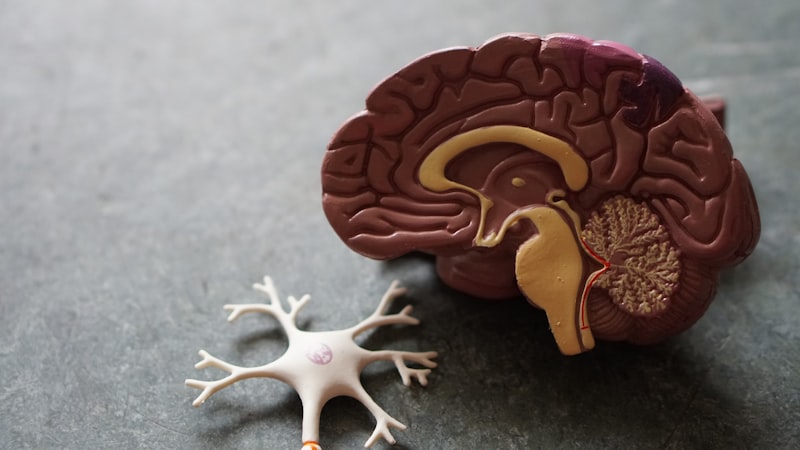
Stylized glowing brain representing the hypothalamus and energy control

So, how did we get here? To understand the victory, we have to look at the villain of the story. Acquired hypothalamic obesity usually shows up after the hypothalamus takes a bit of a hit—maybe from a tumor, or perhaps as an unintended side effect of surgery or radiation meant to fix something else. When this command center is damaged, the body loses its ability to regulate energy. It’s like a car where the fuel gauge is broken and the engine thinks it’s always running on empty, even when the tank is full. This leads to rapid weight gain and a hunger that feels impossible to satisfy.

Enter our hero: a specialized medication that acts like a skilled technician for that broken control panel. Instead of trying to bypass the problem, this treatment goes straight to the source. It targets something called the MC4R pathway. Think of the MC4R pathway as a critical bridge in the brain. When it’s working, it tells the body to burn energy and stop looking for snacks. When it’s broken, the bridge is out. This new treatment acts like a temporary patch that restores the connection, allowing those "hey, we’re good on food!" signals to finally cross over and do their job.

The road to FDA approval wasn't just a walk in the park; it was backed by some pretty impressive science. Clinical trials showed that patients using this treatment didn’t just lose a little bit of weight—they saw significant, life-altering changes. We’re talking about a noticeable drop in body mass index (BMI) and, perhaps more importantly, a massive reduction in that constant, nagging hunger known as hyperphagia. Imagine finally being able to finish a meal and actually feel content. That’s the kind of magic we’re talking about here!

This approval is a major milestone for the longevity and wellness community because it proves that we are getting smarter about how we treat obesity. We are moving away from the "one size fits all" approach and moving toward precision medicine. By understanding the specific pathways in the brain that govern our weight, scientists can create "key-and-lock" solutions that fix the actual underlying issue rather than just treating the symptoms. It’s a win for science, a win for Rhythm, and a massive win for patients who have felt unheard for years.

But the fun doesn’t stop there! This approval opens the door for even more research into how we can fine-tune our internal chemistry to live longer, healthier lives. If we can fix a "broken" hypothalamus, what else can we optimize? The future of metabolic health is looking brighter and leaner than ever before. It’s a reminder that even when the brain’s "Smart Home" system gets a little wonky, there’s usually a brilliant team of scientists working on a software update to get everything back in tip-top shape.

As we celebrate this medical milestone, let’s take a moment to appreciate the sheer coolness of the human body and the persistence of those working to understand it. Here’s to fewer "hungry" signals and more "happy" ones! With this new tool in the medical toolkit, the journey toward better health just got a whole lot more exciting. So, cheers to the scientists, cheers to the FDA for the green light, and most importantly, cheers to the patients who now have a brand-new reason to smile!

Google is playing a busy game of bug Whack-A-Mole to keep Chrome safe!

The Great Digital Bug Hunt

Oops, They Did It Again: The Great Chrome Bug Squashing Extravaganza!

A friendly robot holding a giant wrench over a glowing computer screen

Welcome back to the wild, wacky, and sometimes slightly terrifying world of the World Wide Web! If you’ve been clicking around the internet lately, you might have noticed that your trusty sidekick, Google Chrome, has been acting a little bit like a housecat that accidentally swallowed a bumblebee. It turns out, our favorite shiny browser has been playing a high-stakes game of hide-and-seek with some digital gremlins. And not just once, not twice, but three times in a single month! It’s like a summer blockbuster movie where the monsters just keep coming back for the sequel before the first one is even out of theaters.

Now, don’t panic and throw your laptop into the nearest swimming pool just yet. In the tech world, we call these little surprises "zero-day vulnerabilities." It sounds like something out of a spy thriller, doesn't it? "Zero-Day: The Reckoning." But in reality, a zero-day just means that the clever folks who build the browser found a hole in the digital fence at the exact same time—or sometimes slightly after—the naughty hackers found it. It’s a race against the clock where the prize isn't a gold medal, but rather making sure your private data doesn't end up on a billboard in the middle of nowhere.

Imagine your browser is a giant, majestic castle. You’ve got high walls, a deep moat filled with digital alligators, and a shiny gate. Usually, this keeps all the internet ruffians out while you’re busy looking at pictures of capybaras or shopping for neon-colored socks. But every now and then, a sneaky little termite finds a tiny crack in the foundation. This month, it seems the termites have been particularly busy, finding three separate secret tunnels into the castle. It’s like a digital game of Whac-A-Mole, where Google’s engineers are the ones holding the big foam hammers.

So, what exactly is happening behind the scenes? Well, the digital wizards at Google HQ have been working overtime, fueled by gallons of coffee and probably some very high-quality snacks. When a third major bug popped up recently, they didn't just sit around and sigh. They leaped into action, coding at lightning speed to brew up a magical potion—otherwise known as a security patch. This patch is essentially a very high-tech band-aid that covers up the hole and tells the hackers, "Not today, friends! Move along!"

You might be wondering why this is happening so much lately. Is the internet getting scarier? Are the browsers getting tired? Not exactly. It’s more like a game of cat and mouse that has evolved into a game of cyborg-cat and laser-mouse. As our browsers become more powerful and capable of doing incredible things—like running 3D games or managing your entire life—they also become more complex. And in the world of code, complexity is like a big, beautiful mansion with a thousand windows; occasionally, someone is going to forget to lock one of them.

The good news is that you, the brave internet explorer, have a superpower. It’s a small, unassuming button that often pops up in the top right corner of your screen. It’s the "Update" button! Clicking that button is like giving your browser a suit of shiny new armor and a fresh sword. When you see that little green, orange, or red circle pleading for your attention, don't ignore it. It’s not just Chrome trying to be annoying; it’s Chrome asking for a quick nap and a makeover so it can keep protecting you from the spooky stuff lurking in the shadows of the web.

When you hit that update button, the browser does a quick "relaunch." It’s like a digital "Etch A Sketch"—it shakes everything up, clears out the cobwebs, and starts fresh with all the newest defenses. It only takes a few seconds, which is a small price to pay for the peace of mind that comes with knowing your digital castle is secure once again. Think of it as a spa day for your software. It comes back refreshed, rejuvenated, and ready to tackle another million tabs of research, shopping, and cat videos.

While the engineers are busy playing defense, it's a good reminder for all of us to stay sharp. The internet is a wonderful place, but it's always good to have your wits about you. Beyond just keeping your browser updated, remember to keep your passwords unique—no, "password123" is not a fortress—and maybe don't click on links that promise you’ve won a free private island from a long-lost cousin you’ve never heard of. A little bit of common sense goes a long way in keeping the digital gremlins at bay.

In the end, the fact that these bugs are being found and fixed so quickly is actually a good sign. It means the people who build our tools are watching over us like digital guardian angels. They are constantly scanning for trouble, even when we’re sound asleep. So, let's raise a metaphorical glass to the bug hunters, the code-smiths, and the security experts who keep the internet spinning. And remember, the next time you see that update notification, give it a click. Your browser will thank you, your data will thank you, and those sneaky digital termites will have to go find somewhere else to hang out!

Stay safe, stay curious, and keep those browsers shiny and chrome!

Anthropic Just Had a Giant Whoopsie With Their Secret Claude Code Reveal

The Great AI Sneak Peek

Oopsie Daisy! The Day the AI Secret Slipped Out of the Bag

A playful robot accidentally dropping a glowing blue cube

Artist rendition: When your top-secret AI project decides to take a public stroll.

Imagine you are working at one of the world’s most prestigious AI laboratories. You are surrounded by literal geniuses, mountains of high-end server hardware, and enough coffee to power a small European nation. You are building the future—a tool so powerful and sleek that it will change how every programmer on the planet interacts with their computer. You have the code name, you have the hype, and you have a very strict launch schedule. Then, you click one button, and suddenly, the whole world is staring at your unwashed laundry.

This is exactly the kind of "facepalm" moment that just rocked the tech world. One of the industry's biggest players, known for their helpful and ethical AI models, accidentally let their newest secret out of the garage before the paint was even dry. It wasn't a sophisticated heist by a group of international super-hackers, nor was it a calculated corporate leak designed to stir up buzz. Instead, it was something much more human and much more relatable: a simple developer error.

The star of this accidental show is a tool currently being whispered about as "Claude Code." For those who aren't deep in the trenches of software development, think of this as a super-powered sidekick for people who write software. While standard AI can help you write a poem or summarize a long meeting, this new tool is designed to live right inside the programmer's terminal. It’s meant to look at entire folders of code, understand how they all fit together, and help fix bugs or build new features with the speed of a caffeinated squirrel.

For a few glorious, chaotic hours, the digital gates were left wide open. Tech enthusiasts and internet sleuths stumbled upon the project documentation and internal files that were never meant for public eyes. It was like finding the blueprint for a secret spaceship left on a park bench. People started poking around, taking screenshots, and sharing the news faster than a viral cat video. The excitement was palpable because this tool represents a massive leap forward in making AI a truly integrated partner in the creative process of coding.

When the dust settled and the "Private" settings were frantically toggled back on, the company had to offer an explanation. They didn't point fingers at a malicious outsider or blame a glitch in the Matrix. They simply admitted that a developer made a mistake. In the high-stakes world of Silicon Valley, where companies spend billions of dollars on security and public relations, there is something incredibly refreshing about such a grounded excuse. It reminds us that behind every world-changing algorithm is a human being who might just be having a "Monday" on a Tuesday.

The leak gave us a juicy preview of what the future holds. We saw hints of how the tool manages complex tasks, how it remembers previous instructions, and how it navigates the labyrinthine structures of modern software projects. It’s clear that the goal is to move beyond simple chat boxes and into a world where the AI is an active participant in the work environment. It’s the difference between asking a librarian where a book is and having a dedicated research assistant who has already read the book and highlighted the best parts for you.

Of course, the internet did what the internet does best: it speculated. Was this a "happy accident" intended to build hype? Most experts think not. In the world of high-end AI development, keeping your trade secrets under wraps is vital for maintaining a competitive edge. Accidental leaks can lead to security headaches and might even give competitors a roadmap of where to focus their own efforts. For the company involved, this was likely a day of frantic meetings and very red faces.

However, for the rest of us, it’s a moment of levity. It’s a reminder that no matter how advanced our machines become, the people building them are still susceptible to the same little blunders we all are. We’ve all sent an email to the wrong person or forgotten to attach a file. When an AI giant does the equivalent of walking out of the restroom with toilet paper stuck to their shoe, it makes the whole industry feel a little more approachable.

As we wait for the official, non-accidental release of this new coding companion, the hype train has officially left the station. The leak has actually served as a massive endorsement of the tool's potential. If people are this excited about a version that wasn't even ready for showtime, imagine the reaction when it finally hits the market in its full, polished glory. Until then, we can all take a deep breath and remember: if a world-class AI developer can accidentally leak their biggest project, then it’s probably okay if you forgot to save that spreadsheet today.

So, here’s to the developers, the innovators, and especially the ones who occasionally click the wrong button. You’ve given us a glimpse into a very cool future, and you’ve given the tech community a great story to tell over our next round of coffees. Just maybe double-check those permissions next time, okay?

Skinny Shots and Botox Pots: The Ultimate Beauty Business Glow Up!

Welcome to the era of the Shrinking Society! If you have looked around lately, you might have noticed that everyone and their neighbor seems...